Author

Jacob Walker

Browsing

Strong foundations begin with careful ground work that supports lasting structures and prevents future issues. Teams use advanced machines to shift soil, create level areas, and remove barriers efficiently. This early stage sets the tone for safe and timely building progress. Experienced operators ensure tasks meet high standards while managing risks effectively. Reliable Earthworks Solutions has skilled providers who prioritize precision and durability. Many contractors maintain updated fleets for various job sizes. In regions requiring earthmoving rockhampton, capable teams handle detailed site tasks for homes or larger developments.

Grasping Earthmoving Fundamentals

Earthmoving reshapes terrain by moving soil or rock to fit building needs. Machines dig deep or push materials aside with control. This creates stable bases free from uneven spots. Accurate execution avoids settling problems later.

Key Machinery Options Available

Various tools match different ground tasks perfectly. Excavators reach far for deep cuts or lifts. Bulldozers spread materials evenly over wide spaces. Loaders gather and relocate loose dirt swiftly. Graders refine surfaces to exact levels needed.

  • Backhoes dig trenches precisely.
  • Scrapers transport bulk soil far.
  • Trenchers cut narrow paths quickly.
  • Compactors firm loose ground solidly.
  • Rollers smooth final layers well.

Advantages from Expert Handling

Trained crews finish jobs quicker with fewer mistakes. They spot potential hazards early and act accordingly. Strong results support heavy loads without failure. Overall expenses drop through efficient material use.

Selecting Trusted Service Teams

Look for crews with strong past performance records. Verify proper coverage and operator qualifications. Detailed estimates aid in financial planning. Open discussions keep everyone aligned on timelines.

Typical Uses Across Builds

Ground services apply from initial setup to final touches. Clearing removes old growth or waste first. Levelling forms flat areas for bases next. Cutting slots places underground systems securely. Smoothing readies spots for surfaces or greenery.

Prioritizing Operator Protection Measures

Safety remains key during all machine activities. Regular checks catch issues before they grow. Proper gear shields workers from common dangers. Clear signals guide movements around active zones.

Ensuring Stable Ground Bases

Compaction presses soil layers tightly together. This step builds resistance to weight and weather. Testing confirms density meets required strength. Firm bases prevent shifts over time.

Managing Water Flow Effectively

Proper sloping directs runoff away from structures. Drains channel excess moisture underground safely. Erosion controls hold soil in place during work. Good planning avoids pooling or damage.

Maintaining Machinery Regularly

Routine servicing keeps tools running smoothly. Inspections spot wear on critical parts early. Clean filters and fluids extend equipment life. Records track history for better decisions.

Planning Projects Thoroughly Ahead

Detailed maps guide every machine movement. Soil tests reveal hidden conditions below. Schedules coordinate multiple tasks without overlap. Adjustments handle unexpected findings quickly.

Expert crews like earthmoving rockhampton transform rough land into solid platforms ready for building. Modern tools combined with careful methods deliver consistent outcomes. Safety protocols protect everyone involved throughout. Efficient processes reduce waste and speed completion. Choosing capable providers ensures smooth starts and strong finishes. This foundation work supports safe, enduring structures that stand strong against challenges.

What defines basic earthmoving?
Moving soil, shaping land, and clearing areas with machines.

How pick suitable machinery?
Match tools to task size, soil type, and precision needs.

Why focus on safety steps?
Protect workers, prevent accidents, and maintain steady progress.

A lively setting forms when a guiding voice lifts the mood across a gathering through simple yet steady direction. A smooth tone shapes a clear order for guests who seek easy flow during each segment. A bright presence adds structure that supports hosts while shaping moments that feel natural for all. A refined touch strengthens unity across groups through subtle shifts that suit diverse moods. A calm voice brings quiet balance that helps events move forward without strain. This gentle pace moves toward the service blend shaped through emcee services in Singapore that connects every piece of the content.

Stage Direction Supporting Crowd Alignment

A host shapes steady motion for groups who rely on short cues for smooth progress. Clear lines support quick understanding for guests of varied roles.

  • Short prompts guide audience focus during time changes inside sessions
  • Simple tone adds soft confidence for guests during structured shifts
  • Warm style encourages easy contact that builds trust across groups
  • Guided cues help remove uncertainty during silent parts

This clear method lifts unity for shared time.

Voice Presence Setting Smooth Transitions

A strong presence shapes gentle flow through consistent timing that supports each segment inside gatherings.

Audience Link Formed Through Warm Contact

A caring host creates a soft connection for guests who look for trust shaped through a calm presence that feels steady and sincere.

Flow Structure That Supports Diverse Themes

A crafted speech style suits many occasions through a balanced tone that adapts easily to social, corporate, or themed functions.

Guidance Rhythm Elevating Event Pace

A host builds smooth motion for guests who depend on clear flow at each shift. Short lines offer quick support throughout the session.

  • Light gestures steady the group mood through simple, reassuring signals
  • Calm direction lifts attention during detailed segments across events
  • Gentle tone shapes focus for guests who need short reminders
  • Structured words offer a stable pace for planned parts inside halls
  • Balanced voice eases tense pauses through quiet, clear delivery
  • Guided posture raises host clarity for tight-timed schedules
  • Steady form reduces pressure for teams who run technical parts
  • Focused rhythm supports clean entry points during scene turns

This measured flow creates harmony for varied gatherings.

Group Comfort Built Through Soft Expression

A light voice helps groups settle into relaxed engagement that forms natural movement across each part of the program.

Hosting Manner Strengthened Through Calm Framing

A brief shift inside this section mentions the presence shaped through emcee services in Singapore that lifts clarity during structured occasions through simple timing adjustments that keep guests aligned.

Audience Spark Lifted Through Clear Signals

Short signals add gentle energy for listeners who follow the prompt direction that guides motion through steady pattern shifts.

Event Harmony Growing Through Guided Tone

A balanced tone offers firm structure that supports all parts of a program through calm delivery that suits multiple types of gatherings.

Guided Touch Creating Event Unity

A smooth voice shapes shared clarity across programs through small cues that help guests follow each moment with ease. Soft gestures guide transition points that might otherwise feel abrupt for varied groups. Warm presence lifts social ties through subtle hints that encourage polite interaction. Structured motion carries events from one part to the next with a gentle rhythm that suits many gatherings. This clear method supports every host who seeks simple ways to enrich flow across diverse occasions.

One of the biggest concerns for healthcare providers is ensuring that both short-term and long-term patients and residents can get a good night’s sleep. Each patient and person is different, with unique sleep preferences and different medical requirements that must be met. Finding the right mattress supplier for a healthcare provider is therefore a vital part of treatment and care. The correct mattress for an individual can make a significant difference to their recovery and comfort, no matter the injury, illness, or type of treatment they are facing.

How do you go about finding the best healthcare mattress? 

Assess the needs of the patient. Every patient is different, so if you are looking for one type of medical mattress this will be easier than if you manage the procurement of mattresses for a hospital where there are many different patients with different needs. In that case, you can find the best mattresses that combine various needs for the best balanced approach. Look at medical conditions, whether patients have pressure ulcers and sores, what sort of mobility a patient has, and the budget you have to play with. These factors, along with different types of comfort preferences, will play a role in the type of healthcare mattresses you purchase.

Types of medical mattresses

There are different types of healthcare mattresses that you can choose from. These include:

  • Innerspring mattresses – coils covered with padding to offer durability and good levels of support.
  • Foam mattresses – offering pressure-relieving properties, these offer comfort by conforming to the shape of the patient.
  • Air mattresses – air chambers are used to adjust the firmness of the mattress and redistribute pressure, helping to alleviate pressure sores and ulcers.
  • Gel mattresses – offer great layers of support to distribute pressure evenly and help to treat ulcers.
  • Bariatric mattresses – these are designed for heavier individuals, offering greater levels of support and durability.

The danger of pressure sores

One of the biggest worries with patients is the presence of pressure sores and ulcers. The right healthcare mattress can help to alleviate the symptoms and offer comfort from often painful pressure points on the body. Redistributing pressure promotes better blood flow and reduces the risk of bed sores.

Maintenance and cleaning

It’s important that you choose a mattress that is easy to clean and maintain, as there is a requirement for the highest standards of hygiene in a healthcare setting with high turnover of patients. Removable covers that can be easily washed are important, and the durability of the mattress is also important.

Patient mobility

Low-friction covers and rotational mattresses play a big part in helping you manage patients with limited mobility or where there is the need to change position frequently. The comfort and support a mattress provides a patient goes a long way to providing long-term recovery.

Choosing the right mattress supplier

Evaluating the mattress supplier is also crucial. Look for those with industry accreditations and reputation, with positive customer reviews and links to the relevant industry codes of practice. Good customer support and aftercare are important, as is the scheduling of delivery and the set-up of medical mattresses.

Choosing the best mattress supplier for your specific healthcare provider needs is crucial to ensuring that your patients are well looked after. It will have a significant impact on the comfort, support, and well-being of each patient. If you are the person responsible for procuring healthcare mattresses for a hospital, care home, or other type of medical setting, choosing the best mattress supplier will make your patients’ lives much better. If you are a caregiver for a person at home, finding the best healthcare mattress will help with levels of comfort and specific support for the individual depending on their condition.

On any site where a telehandler is used, there are countless ways in which you can maximise its potential through the use of telehandler attachments. An approach like this maximises the potential of a project, minimising delays through the use of one machine with different attachments rather than stopping and restarting with a completely different piece of equipment or machinery.

This post will look at different types of telehandler attachments and how they promote flexibility and versatility. As far as maximising efficiency, boosting sustainability, and lowering costs, the use of telehandler attachments on site will change the game for your business.

What do telehandlers offer on site?

Telehandler hire brings you a powerful machine to the site. Telehandlers provide fantastic levels of multifunctionality before you add any attachments. They offer stability on uneven ground and challenging terrain. For any site where space is limited and heavy loads are required to be lifted and moved, telehandler hire provides you with the perfect tool.

What are the different types of telehandler attachments?

When considering the wide range of tasks that a telehandler might be effective with, the addition of telehandler attachments completely changes the game. Below are just a few of the many telehandler attachments that you have access to through telehandler hire with a reputable plant hire company.

Fork extensions

First, let’s consider fork extensions. A range of fork sizes allows you to choose the size that matches the specific tasks at hand. They temporarily elongate the length of the existing fork, allowing you to lift larger, wider, or longer loads with ease.

Hook attachments

Hook attachments for telehandlers increase the lifting weight capacity. If you are required to lift loads that are not on pallets, this attachment is fitted over the forks and held securely in place with pins.

General bucket attachment

A general bucket attachment for telehandlers is essential for many sites. It allows for the robust and efficient task of loading loose materials such as dirt, gravel, or any bulk material on site that needs to be moved.

Floating forks

For sites where there are many pallets and bulky materials that need to be moved, a floating fork ensures that it is always secure, even when moving along uneven and challenging terrain. The forks can be locked into an upright position to be driven on public roads.

Bale grippers

Within an agricultural setting, bale grippers provide a stable attachment for what can often be an awkward task. Bale grippers are designed to be lightweight, slim, and allow for maximum visibility for greater safety standards when working with hay bales.

Telehandlers to transform your site

If you are searching for a company to furnish your project and site with the latest models of telehandler hire, consider how helpful telehandler attachments are alongside the machine itself. From buckets to forks, grippers to platforms, telehandler attachments transform an already versatile and powerful machine into a genuine all-rounder. Make contact today with a specialist plant hire company with a tradition of successfully helping companies with telehandler hire and the addition of attachments for a wide range of tasks and industries. It will make a difference to the safety, success, and cost of your project.

Guinea, located on the West African coast, is a resource-rich nation undergoing rapid transformation. With its abundant mineral reserves, expanding infrastructure, and commitment to economic diversification, the country is attracting growing interest from foreign investors. However, entering the Guinean market involves navigating complex employment regulations, tax systems, and administrative processes. Partnering with an EOR Guinea provider offers international companies a compliant and cost-efficient way to hire local or expatriate talent without establishing a legal entity.

Understanding the Employer of Record (EOR) Model

An Employer of Record (EOR) is a third-party organization that legally employs workers on behalf of another company. The EOR assumes full responsibility for employment compliance, payroll, and human resource administration, while the client company retains operational control and directs the employees’ work.

Key responsibilities of an EOR include:

  • Drafting compliant employment contracts in line with Guinean labor law
  • Managing payroll, taxation, and statutory contributions
  • Ensuring adherence to local labor and social protection regulations
  • Administering benefits, leave, and termination processes
  • Handling immigration and work permit formalities for foreign employees

By leveraging an EOR, companies can enter Guinea’s market faster, operate legally, and mitigate the risks associated with non-compliance or misclassification.

The Economic Landscape of Guinea

Guinea is a growing investment destination with significant opportunities in mining, energy, infrastructure, agriculture, and telecommunications. The nation holds some of the world’s largest deposits of bauxite—used in aluminum production—and is developing new sectors through public-private partnerships and foreign investment.

Key economic highlights include:

  • Natural resources:Guinea is the second-largest bauxite producer globally, with growing investments in iron ore, gold, and diamonds.
  • Infrastructure expansion:Major road, port, and energy projects are underway to support industrialization and regional trade.
  • Agricultural potential:Fertile land and water resources create strong prospects for agribusiness and agro-processing.
  • Regional integration:As a member of ECOWAS(Economic Community of West African States), Guinea offers access to a market of over 400 million consumers.
  • Policy reforms:The government continues to improve its regulatory environment to attract sustainable investment.

Despite these advantages, administrative and compliance complexities remain. Foreign companies must navigate local labor laws, tax frameworks, and bureaucratic procedures—challenges that an experienced EOR can help overcome.

Employment Law in Guinea

Employment in Guinea is governed primarily by the Labour Code (Code du Travail, Law No. L/2014/072/CNT) and related decrees. The law regulates the rights and obligations of employers and employees, ensuring fair treatment, workplace safety, and social protection.

Key provisions include:

  • Employment contracts:Must be in writing and specify terms such as job role, compensation, working hours, and contract duration. Contracts can be fixed-termor open-ended.
  • Probation period:Typically ranges from one to three months, depending on the employee’s role.
  • Working hours:The standard workweek is 40 hours, with overtime compensated at premium rates.
  • Leave entitlements:Employees earn two and a half days of paid leave per month, equivalent to 30 days per year.
  • Public holidays:Guinea observes approximately 10 national holidays, including Independence Day and Labour Day.
  • Sick leave:Paid sick leave is available upon medical certification, with employer coverage based on tenure.
  • Maternity leave:Female employees are entitled to 14 weeks of maternity leave, fully paid by the employer.
  • Termination:Dismissal must be justified, and notice periods vary between two weeks and three months, depending on the employee’s category. Severance pay applies to terminations not related to misconduct.
  • Trade unions:Workers have the right to unionize and engage in collective bargaining under national labor law.

EOR providers ensure that all employment agreements and HR practices adhere to these regulations, reducing exposure to disputes or penalties.

Payroll and Tax Compliance in Guinea

Payroll management in Guinea requires precise compliance with national tax and social security obligations. Errors in reporting or remittance can lead to penalties or loss of operational licenses.

Key payroll considerations include:

  • Currency:Salaries are paid in Guinean franc (GNF).
  • Income tax:Guinea applies a progressive income taxranging from 0% to 40%, depending on income levels. Employers are responsible for withholding and remitting income tax on behalf of employees.
  • Social security contributions:
  • Employer:Approximately 18%of gross salary (covering family benefits, pensions, and occupational risks)
  • Employee:Around 5%of gross salary
    • Payroll frequency:Monthly payroll is standard, with payslips required for all employees.
    • Reporting:Employers must submit monthly and annual declarations to the National Social Security Fund (CNSS)and tax authorities.
    • Statutory benefits:Health insurance, pension contributions, and paid leave are mandatory under Guinean law.

An EOR in Guinea manages these payroll operations seamlessly, ensuring accurate salary disbursement, compliance with tax deadlines, and transparency in reporting.

Benefits of Using an EOR in Guinea

For companies entering the Guinean market, partnering with an Employer of Record offers both strategic and operational advantages.

  1. Fast and Compliant Market Entry
    Setting up a legal entity can take months and involve extensive regulatory approvals. An EOR enables businesses to hire local talent and commence operations within weeks.
  2. Legal and Regulatory Compliance
    EOR providers ensure that employment contracts, payroll, and benefits comply with the Labour Code and tax regulations, reducing compliance risks.
  3. Cost Efficiency
    Avoiding entity formation and administrative overhead allows organizations to allocate resources toward market growth and operations.
  4. Risk Mitigation
    The EOR assumes responsibility for all employer-related liabilities, shielding the client company from legal exposure.
  5. Payroll and HR Simplification
    All payroll, benefits, and statutory filings are managed by the EOR, ensuring accuracy and timely submissions.
  6. Workforce Flexibility
    Businesses can scale their teams up or down depending on project demands, with minimal administrative disruption.
  7. Expatriate and Immigration Support
    EORs assist with work permits, visas, and residence authorizations for foreign employees, ensuring compliance with immigration laws.

EOR vs. PEO: Choosing the Right Model

Although both Employer of Record (EOR) and Professional Employer Organization (PEO) services streamline HR operations, they differ in structure and scope.

  • EOR:Acts as the legal employerfor all employees in Guinea, managing compliance, payroll, and labor relations on behalf of the client. This model is ideal for companies without a local entity.
  • PEO:Functions as a co-employment modelfor companies that already have a registered entity in Guinea. It supports HR functions but does not assume full legal responsibility.

For new market entrants, the EOR model provides a faster, more compliant pathway to hire and manage employees.

Sectors Leveraging EOR Services in Guinea

EOR services are particularly beneficial in industries where local compliance, safety regulations, and workforce flexibility are critical.

Key sectors include:

  • Mining and Energy:Foreign companies rely on EORs to manage local staff for exploration and infrastructure projects.
  • Construction and Engineering:EORs facilitate short-term or project-based hiring while ensuring compliance with labor laws.
  • Telecommunications and ICT:Rapid digitalization is driving demand for skilled local and remote professionals.
  • NGOs and Development Organizations:EORs support donor-funded initiatives requiring compliant local employment structures.
  • Agribusiness:EORs simplify seasonal and regional workforce management.

Selecting the Right EOR Partner in Guinea

Choosing a reliable EOR partner is essential to ensure seamless operations and legal compliance. Key factors to consider include:

  • Proven expertise in Guinean labor and tax laws
  • Transparent cost structure and service-level agreements
  • Ability to manage both local and expatriate employees
  • Access to in-country HR and payroll professionals
  • Strong data security and technology infrastructure

An experienced EOR acts as a trusted extension of your HR department, ensuring compliant and efficient workforce management.

Conclusion

Guinea presents compelling opportunities for international companies seeking to expand into West Africa. Its rich natural resources, strategic location, and economic diversification efforts make it an emerging business destination. However, local compliance, payroll, and employment complexities can pose challenges for new entrants. Partnering with an EOR Guinea provider enables organizations to hire and manage talent efficiently, ensuring full compliance with national laws while focusing on growth and innovation. By leveraging expert EOR solutions, businesses can build a sustainable and compliant presence in one of Africa’s most promising markets.

If you’re shopping for a trailer, one of the most common questions people ask is: What’s the difference between a utility trailer and an equipment trailer? While they may look similar at a glance, these two types of trailers are designed for very different purposes.

Choosing the wrong type could lead to overloading, damage, or even safety hazards on the road. In this post, we’ll break down the key differences between utility and equipment trailers, their ideal use cases, and how to decide which one fits your specific needs.

What Is a Utility Trailer?

A utility trailer is a versatile, open-deck trailer that typically features a lightweight frame, lower load capacity, and simple ramp or gate access. These trailers are commonly used for general-purpose hauling and are popular among homeowners, landscapers, and small business owners.

Common Uses:

  • Hauling lawnmowers, ATVs, or golf carts
  • Moving landscaping tools and materials
  • Transporting building supplies
  • Light-duty commercial use
  • DIY projects or small moves

Features to Expect:

  • Single or tandem axles
  • Side rails or stake pockets
  • Rear ramp gate or fold-down gate
  • Wood or mesh flooring
  • GVWR (Gross Vehicle Weight Rating) typically under 7,000 lbs

Utility trailers are lightweight, easy to tow, and cost-effective—but they’re not built for heavy machinery or high-weight loads.

What Is an Equipment Trailer?

An equipment trailer, sometimes called a heavy-duty utility trailer, is built to carry much larger and heavier loads. It features a reinforced frame, higher payload capacity, and loading features specifically designed for machinery and commercial equipment.

Common Uses:

  • Hauling skid steers, backhoes, tractors, or mini excavators
  • Transporting large construction materials or supplies
  • Moving vehicles or other commercial assets
  • Industrial or agricultural applications

Features to Expect:

  • Heavy-duty tandem or triple axles
  • Higher GVWR (often 10,000 lbs and up)
  • Heavy-duty ramps or dovetail design
  • Wider decks and stronger tie-down systems
  • Electric brakes and breakaway systems

Equipment trailers are designed with durability, weight handling, and safety in mind. They’re essential for contractors and business owners who haul large machinery.

Key Differences at a Glance

Feature Utility Trailer Equipment Trailer
Typical Use Light hauling (tools, ATVs, mowers) Heavy hauling (machinery, vehicles)
Frame Strength Lightweight steel or aluminum Reinforced steel, heavy-duty design
Load Capacity Up to 7,000 lbs (varies) 10,000–20,000+ lbs
Deck Height Lower deck, often with railings Higher deck, often with flatbed or dovetail
Ramps Gate-style or simple ramps Fold-down, slide-in, or spring-assisted
Axles Single or light tandem Tandem or triple with electric brakes
Ideal Buyer Homeowners, hobbyists, light businesses Contractors, farmers, heavy-duty users

Which One Is Right for You?

Choosing between a utility and equipment trailer depends on a few key factors:

1. What Are You Hauling?

If you’re hauling mowers, bikes, or lumber, a utility trailer will likely cover your needs. If you’re loading machines with steel tracks or hauling over 7,000 lbs regularly, go with an equipment trailer.

2. How Often Will You Use It?

For daily use or commercial jobs, invest in the durability of an equipment trailer. For weekend projects or occasional hauling, a utility trailer may be more cost-effective.

3. Do You Need Brakes?

In many states, trailers over 3,000–4,000 lbs must have electric brakes. Equipment trailers almost always come with brakes; many utility trailers do not. Check your state regulations to stay compliant.

4. What Type of Tow Vehicle Do You Have?

If you’re towing with a half-ton pickup or SUV, a utility trailer is easier to manage. Equipment trailers often require ¾-ton or larger trucks with the proper hitch and brake controller.

5. Budget and Long-Term Value

Utility trailers cost less upfront, but if you’re running a business or anticipate heavier loads in the future, an equipment trailer might be a smarter long-term investment.

Common Mistakes to Avoid

  • Overloading a utility trailer with heavy equipment can damage the frame and axles—and create a safety hazard. Always know your trailer’s payload limit.
  • Buying too small can limit your flexibility down the road. Consider what you may haul in 2–3 years, not just today.
  • Ignoring brake requirements could result in a fine or dangerous driving conditions. Know your state laws and towing setup.

Final Thoughts

While utility and equipment trailers can look similar, they serve very different purposes. Making the right choice comes down to understanding your load, usage frequency, tow vehicle, and long-term needs.

At Grizzly Trailer Sales, we help you make informed decisions—not just based on price, but on what makes sense for how you’ll actually use your trailer. Our experienced team can walk you through the options, explain the pros and cons, and help match you with a trailer that fits your work or lifestyle perfectly.

Still not sure which type of trailer is best for you? Visit us or give us a call. We’ll answer your questions, show you the differences in person, and make sure you drive away with the right trailer for your goals. We recommend Grizzly Trailer Sales.

Developing practical interaction skills is an essential part of growth for young individuals. Building confidence through shared activities allows participants to understand collaboration in a supportive setting. Activities designed for collective improvement foster positive outcomes in both group and personal development. A focus on better communication helps individuals articulate ideas effectively and listen carefully to others. Such training helps people become more flexible in a numerous of different scenarios. The appropriate strategy makes sure that everyone gets something useful and extended out of it. Programs that help people improve generally stress how important it is to have a balance of skills and awareness. Practical sessions connect directly to the demand for leadership workshop singapore as they combine confidence, trust, and team growth.

Teamwork Skills

Activities structured to encourage joint effort and equal participation consistently.

  • Every individual learns practical methods for sharing ideas clearly and effectively.
  • Collective exercises emphasize mutual support, creating stronger group harmony consistently.
  • Participants improve listening abilities through active sessions promoting mindful awareness.
  • Group projects nurture responsibility, where each member contributes unique strengths.
  • Sessions highlight collaboration as a tool for resolving common misunderstandings.

Confidence Growth

  • Programs build inner strength by engaging participants in positive interactive exercises.
  • Each activity enhances self-assurance through constructive, supportive peer involvement.
  • Role based practices create opportunities to speak comfortably within guided sessions.
  • Participants develop resilience by facing constructive feedback in safe, supportive spaces.
  • Interactive modules provide encouragement, leading to stronger self-belief over time.
  • Confidence naturally improves as communication becomes smoother within practical activities.

Effective Interaction

Sessions emphasize clarity, teaching participants to present ideas with simplicity.

  • Instructors guide learners to focus on effective listening as an important skill.
  • Verbal practice encourages precise articulation, enhancing group understanding in discussions.
  • Written exercises help participants express organized ideas for practical real situations.
  • Nonverbal signals are introduced to support messages delivered with greater confidence.
  • leadership workshop singapore materials include structured steps to strengthen communication consistently.

Common Queries

  • How does teamwork support growth together through shared collective learning?

It strengthens trust while improving the way individuals contribute within groups.

  • Why is confidence essential for long term development in personal progress?

It enables participants to accept challenges and remain resilient under pressure.

  • What role does communication play in building lasting, meaningful relationships today?

It allows mutual respect and encourages open expression across various group activities.

  • How do activities nurture awareness for both group and personal achievements?

They highlight balanced skills, ensuring every participant recognizes collective and individual success.

  • Can professional guidance create structured improvements for young participant development effectively?
  • Skilled trainers provide direction, helping participants grow with consistent methods daily.

Better Result

Practical training for young students has a big effect in many different areas. Through scheduled activities, participants steadily improve their communication skills, ability to work with others, and assurance. Each course allows you to grow by focusing on certain skills that assist you grow as a whole. Guidance provided during sessions nurtures confidence while helping individuals trust their personal strengths. Communication skills are strengthened, which helps participants achieve clarity in group discussions and practical scenarios. When applied consistently, these programs encourage growth that lasts well beyond the sessions themselves.

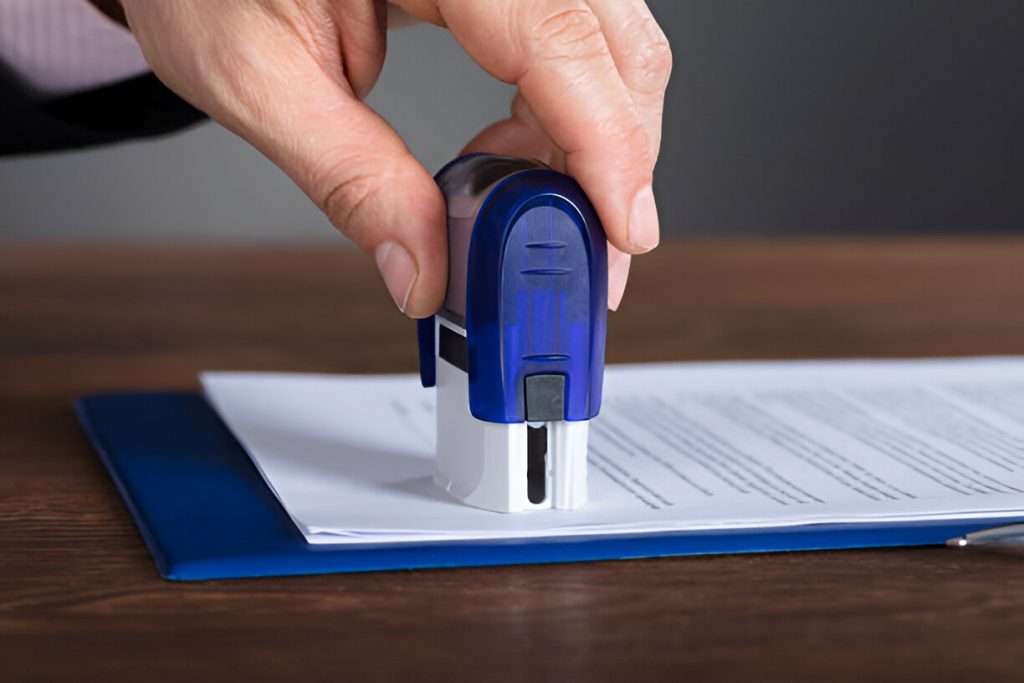
Lately, custom address stamps and personalized stationery have returned in high numbers. Address stamps are convenient and stylish whether you are a prolific letter writer, a small business owner or someone who just likes to add a personal touch to the outgoing mail. These mini tools are not just utilitarian but are a fashion statement as new design trends and innovative features get added.

Why Custom Address Stamps Are Back in Style

In this digitalized world, it is a relief and nice touch to get mail that has a personalized stamp on it. A custom stamp gives your correspondence a special touch compared to printed labels that may appear generic. They are also being used by people in addition to mailing everyday items and also on special occasions like weddings, holiday cards and branding of businesses. The beauty is that they are functional and creative at the same time useful and attractive.

A Modern Twist on the Classics

Historically, address stamps were simple and plain. However, the possibilities are limitless now. Gorgeous minimalist fonts and fun handwritten fonts are there to please all types of personality. You will also see the designs with borders, florals, monograms, or even little illustrations that mirror your interests. A return address stamp is the best choice–it saves time, but provides a nice touch to every envelope.

Shoppers are increasingly seeking the service of specialized companies such as Creative Rubber Stamps who are not only offering stylish designs but also such outstanding features as excellent quality signature stamp impressions, refillable 5 ink colors and total customization with artwork or text without any extra cost.

These characteristics make it simple to understand why custom stamps have become more than an office tool to be easy to use but also a need to add some flair to your mail.

Eco-Friendly and Reusable Options

Sustainability is another trend that is affecting the industry. People are getting more and more eco-conscious about things they use in their daily lives and address stamps are not an exception. Most contemporary stamps have refillable inks too, so that when it gets worn out you do not have to dispose of the entire unit. Custom stamps are also eco-friendly because of their longevity relative to address labels that are disposable.

Beyond the Mail

Although address stamps are mostly applied to envelopes, their flexibility is extending them to innovate other applications. They are used by creative people to customize the gift tags, labeling books in home libraries, or packaging by small businesses. Those marrying couples usually use them in save the date cards, invitation and thank you notes. The stamp is useful and entertaining as it turns ordinary activities into artistic works.

Simply put, custom address stamps are no longer merely a useful attribute; it is about displaying personality, creativity and thoughtfulness. The new tendencies offered by providers demonstrate that a small stamp can create an unforgettable impression, and the refillable ink, high-quality impressions, and unlimited customization for every customer.

Introductory Paragraph:

As businesses seek ways to streamline their operations and focus on core competencies, the utilization of Professional Employer Services has gained popularity. Understanding the intricacies of Professional Employer Organizations (PEOs) and the services they offer is essential for making informed decisions. This article delves into the key considerations and factors that business owners and HR professionals need to know before choosing a PEO. From the benefits and cost considerations to compliance issues and evaluating service offerings, navigating the landscape of Professional Employer Services requires a strategic approach. By exploring these insights, readers can gain valuable knowledge to guide their selection process and ensure they partner with the right PEO for their business needs.

Understanding Professional Employer Services

Definition of Professional Employer Services

Professional Employer Services, often referred to as a Professional Employer Organization (PEO), is a company that provides comprehensive HR solutions for businesses. These services can include payroll processing, benefits administration, compliance assistance, and other HR-related tasks.

How Professional Employer Services Work

When a company partners with a PEO, the PEO becomes the employer of record for tax and insurance purposes. This allows the PEO to handle tasks like payroll and benefits administration on behalf of the client company. The client company retains control over day-to-day operations and management of their employees.

Benefits of Professional Employer Services

Cost Savings and Efficiency

One of the key benefits of using Professional Employer Services is cost savings. By outsourcing HR functions to a PEO, businesses can reduce overhead costs associated with maintaining an in-house HR department. PEOs also help improve efficiency by streamlining HR processes.

Access to Specialized HR Expertise

PEOs employ HR professionals who have expertise in various areas of human resources. This means that client companies have access to specialized knowledge and resources that can help them navigate complex HR challenges and compliance issues.

Factors to Consider When Selecting a Professional Employer Organization (PEO)

Industry Experience and Expertise

When choosing a PEO, it’s essential to consider their experience and expertise in your specific industry. A PEO that understands the nuances of your industry will be better equipped to provide tailored HR solutions.

Technology Infrastructure and Support

Another important factor to consider is the technology infrastructure and support offered by the PEO. A PEO with robust technology solutions can help streamline HR processes and improve efficiency.

Cost Considerations and Pricing Models

Understanding Fee Structures

PEOs typically charge a fee based on a percentage of total payroll or a per-employee fee. It’s crucial to understand the fee structure upfront to ensure it aligns with your budget and needs.

Hidden Costs to Watch Out For

In addition to the base fees, there may be hidden costs associated with certain services or add-ons. It’s important to clarify what’s included in the pricing and to watch out for any potential hidden costs that could impact your overall budget.

Compliance and Legal Aspects to Keep in Mind

When considering professional employer services, it’s crucial to prioritize compliance with regulations. From employment laws to tax requirements, ensuring regulatory compliance should be a top priority. Additionally, assessing how PEO providers manage risk and offer liability protection can safeguard your business from legal pitfalls.

Ensuring Regulatory Compliance

Partnering with a PEO that stays up-to-date on labor laws and industry regulations is essential to avoid costly penalties. Make sure the PEO you choose has a robust compliance strategy in place.

Risk Management and Liability Protection

Understanding how a PEO addresses risk management and provides liability protection can shield your business from potential lawsuits and financial burdens. Inquire about their insurance coverage and risk mitigation practices.

Assessing the Reputation and Track Record of PEO Providers

Before committing to a PEO, evaluate their reputation in the industry. Client testimonials and references offer valuable insights into the quality of service provided. Furthermore, industry rankings and awards can indicate a PEO’s standing in the competitive landscape.

Client Testimonials and References

Seek feedback from current or past clients to gauge the PEO’s performance and customer satisfaction levels. Honest testimonials and references can paint a realistic picture of what it’s like to work with the provider.

Industry Rankings and Awards

Recognitions and accolades within the professional employer services sector can validate a PEO’s expertise and commitment to excellence. Look for providers with a strong reputation and a history of industry recognition.

Evaluating the Range of HR Services Offered

A comprehensive suite of HR services is central to the value proposition of a PEO. Understanding the core HR services provided, as well as any additional value-added offerings, is key to meeting your specific business needs.

Core HR Services Provided

From payroll processing to benefits administration, ensure that the PEO covers essential HR functions efficiently. Evaluate whether their core services align with your company’s requirements.

Additional Value-Added Services Available

Beyond basic HR support, inquire about any supplementary services offered by the PEO. These could range from employee training programs to HR consulting, adding extra value to your partnership.

Making an Informed Decision: Key Questions to Ask Before Choosing a PEO

To make a well-informed decision when selecting a PEO, ask pertinent questions that delve into critical aspects of their service delivery and client relationships. Understanding the client retention rate and employee relations practices can guide you towards the right choice.

What is the PEO’s Client Retention Rate?

A high client retention rate typically signifies client satisfaction and a strong working relationship with the PEO. Inquire about their retention metrics to assess the provider’s ability to maintain long-term partnerships.

How Does the PEO Handle Employee Relations Issues?

Employee relations can impact workplace harmony and productivity. Understanding how the PEO addresses conflicts, grievances, and other HR-related issues is crucial for maintaining a positive work environment. Ask about their approach to handling such matters to ensure alignment with your company’s values.

Closing Paragraph:

In conclusion, the decision to engage a Professional Employer Organization (PEO) is a significant one that can impact various aspects of a business’s operations. By thoroughly considering the factors discussed in this article, such as benefits, costs, compliance, reputation, and service offerings, businesses can make informed choices when selecting a PEO. Taking the time to ask the right questions and conduct thorough research will ultimately lead to a successful partnership that enhances efficiency, compliance, and overall HR management. With a clear understanding of what to look for in a PEO, businesses can confidently navigate the process and enjoy the benefits of professional employer services.

Frequently Asked Questions (FAQ)

1. What is the difference between a PEO and an HR outsourcing provider?

2. How can a business determine if they are a good fit for partnering with a PEO?

3. What are some common misconceptions about Professional Employer Services?

Athletes experiencing injuries require prompt medical attention to prevent complications and ensure proper healing. A 2 day medical certificate provides documentation for this crucial initial recovery period when inflammation peaks and proper rest is essential. This type of certificate acknowledges the immediate recovery needs while allowing for reassessment as healing progresses, making it especially valuable for athletes who need to communicate their condition to coaches, employers, or educational institutions.

Short-term medical certificates for sports injuries typically include specific information about the injury diagnosis, recommended rest period, movement limitations, and a follow-up assessment date. These certificates help athletes legitimize their recovery needs while providing a framework for returning to activity. The documentation is a communication bridge between healthcare providers and athletic organizations, ensuring all parties understand the injury’s severity and initial treatment plan.

Medical documentation and technology

Digital platforms have revolutionized how athletes obtain and share medical documentation. NextClinic offers streamlined services for those needing quick medical certificates without compromising thorough assessment. The platform connects athletes with sports medicine specialists who understand the unique demands of athletic recovery and provide appropriate documentation based on virtual examinations of common sports injuries. These technological advances help athletes in remote locations or those with limited mobility access appropriate medical documentation without travel delays that might compromise treatment timing. Digital certificates can be instantly shared with multiple stakeholders, ensuring coaches, trainers, and team medical staff have consistent information about the athlete’s condition and restrictions.

Rehabilitation planning after initial assessment

After the initial certificate period, healthcare providers can make more informed decisions about longer-term recovery plans. The two-day window stabilises acute symptoms, providing clearer insights into the injury’s true nature and severity. This measured approach prevents premature returns to activity that might exacerbate injuries while avoiding unnecessarily prolonged absences from training or competition. Medical professionals use this initial assessment period to develop graduated return-to-play protocols tailored to specific injuries. These protocols typically include progressive activity levels matched to healing timelines, ensuring athletes rebuild strength and mobility safely. The initial certificate period also allows time for arranging specialized care if the injury requires intervention beyond rest and basic first aid.

Return-to-play decision making

The end of a medical certificate period marks a critical decision point for athletes, coaches, and medical staff. This transition requires careful assessment of recovery progress and thoughtful planning for safe activity resumption. The return-to-play decision should integrate objective measures like range of motion, strength testing, functional movement assessments, and subjective reports of pain and confidence. Athletes often benefit from a graded exposure approach, gradually increasing activity intensity while closely monitoring symptoms. This methodical progression helps prevent the typical cycle of reinjury that occurs when athletes return to full activity too quickly.

Preventive measures

Effective short-term injury management goes beyond just certifying recovery time. The initial medical certificate period allows healthcare providers to educate athletes about their specific injury and prevention strategies. Athletes who understand the mechanism of their injury and the biological healing process tend to show better compliance with recovery protocols. During the certificate period, healthcare providers can introduce preventive exercises, technique modifications, or equipment adjustments that might reduce reinjury risk. This educational component transforms the certificate period from simple downtime into a valuable opportunity for improving long-term athletic health and performance.