

Choosing a pond aeration system seems simple until you actually explore the options. Suddenly, there is surface, diffused, mechanical, and all claim to be the best. In reality, every pond is different. Size, depth, and fish load all matter. Aeration is not just about bubbles; it is about keeping the water healthy and balanced.
While researching, you might notice an airpump with battery backup from That Pond Guy. It is more useful than it sounds. Power cuts can drop oxygen levels fast, and a backup keeps things running smoothly when it matters most.
Why Aeration Actually Matters
It is easy to underestimate aeration. The water looks fine, fish seem ok, so what is the big deal?
Well, underneath the surface:
- Fish depend on dissolved oxygen to survive
- Beneficial bacteria need oxygen to break down waste
- Proper aeration helps control algae growth
- It prevents water from turning stagnant
Without enough oxygen, things slowly go downhill. Not always obvious at first, which makes it trickier.
Types of Pond Aeration
There are a few main types, and each has its own strengths. Some are more practical, others more decorative.
Surface Aeration
This includes fountains and waterfalls, probably the most visually appealing option.
- Adds oxygen by disturbing the surface
- Enhances the look of the pond
- Works well for smaller or shallow setups
But, it mostly affects the top layer. Deeper areas may not benefit as much.
Subsurface Aeration
This is where things get more efficient.
- Air is pumped to the bottom through diffusers
- Fine bubbles rise slowly, spreading oxygen evenly
- Helps circulate the entire water body
It is often the go-to choice for deeper ponds. Quiet, consistent, and effective.
Mechanical Aeration
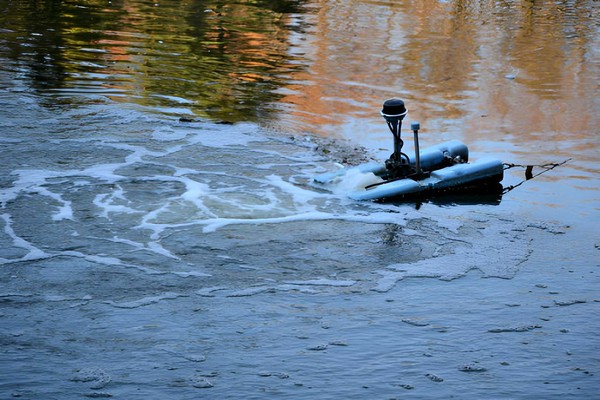
A bit more heavy-duty compared to the others.
- Uses devices like paddle wheels or floating aerators
- Actively churns water for oxygenation
- Suitable for larger or heavily stocked ponds
Though, to be fair, it can be noisy. And not always necessary for a garden pond.
How to Choose the Right System
This part matters more than people expect. Picking the wrong setup can lead to wasted money, or worse, poor water quality.
Here are a few things to consider:
- Pond Size & Depth – Deeper ponds usually benefit more from diffused aeration systems.
- Fish Population – More fish means higher oxygen demand. Simple as that.
- Visual Preference – If appearance matters, surface aeration adds a decorative touch.
- Noise & Efficiency – Modern air pumps are designed to run quietly, which makes a difference over time.
Some systems, like the Charles Austen CP range, are known for reliability and steady airflow. Not flashy, but they get the job done, and keep doing it.
Final Thoughts
It is tempting to overthink this. Or overspend. But honestly, the best system is the one that fits your pond, not the one with the biggest specs. Focus on consistency. A steady supply of oxygen, day in and day out, makes a bigger difference than occasional bursts of power. And once everything is running properly? Clear water, active fish, fewer maintenance headaches, it just feels right.

Comments are closed.