
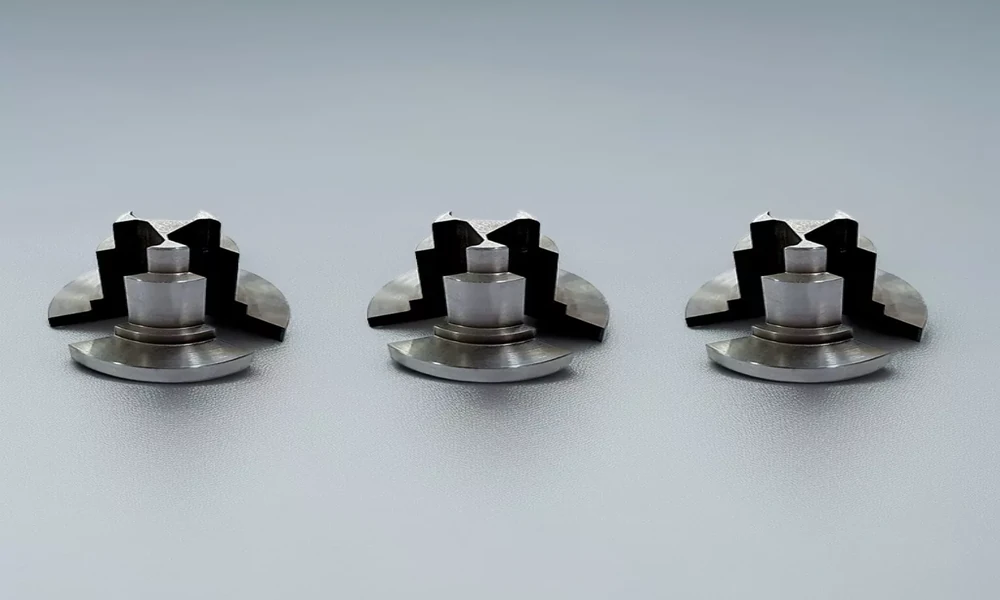
Production budgets face pressure from several directions today. Material invoices climb faster than planning cycles. Labor availability creates fresh scheduling hurdles. Energy expenses add another layer of uncertainty. Under these conditions, efficiency becomes a practical business priority. Better machining practices often create measurable savings across operations. For manufacturers seeking tighter control, Vietnam Precision Machining offers a proven path toward stronger output and lower waste.
What Makes Precision Machining Effective Against Rising Costs?
Cost pressure rarely comes from one source alone. Small inefficiencies accumulate across production lines. A minor dimensional error may trigger assembly delays later. Extra material usage affects margins over extended runs. Precision machining limits those losses through tighter tolerances. Fewer rejected parts mean resources remain available for profitable work. Production teams gain greater predictability during high-volume manufacturing periods.
Where Do Efficiency Gains Appear First?
Factory managers often notice improvements in daily operations. Setup adjustments require less intervention between batches. Equipment spends more time producing saleable components.
- Less scrap reaches disposal containers
- Faster changeovers save valuable hours
- Stable dimensions reduce inspection workloads
- Tool wear becomes easier to monitor
Each improvement creates value beyond immediate cost reduction. Better workflow coordination strengthens production planning decisions.
Precision Matters Beyond Component Accuracy
Accurate dimensions represent only one advantage. Product reliability often depends on manufacturing consistency. When components fit correctly, assembly teams encounter fewer interruptions. A hydraulic housing, for example, requires exact mating surfaces. Poor tolerances may create leakage risks later.
Companies utilizing Vietnam Precision Machining often achieve stronger process control. Engineers can maintain tighter specifications across larger production volumes. Contrast emerges when repeated corrections consume labor hours elsewhere. Reliable output preserves both delivery schedules and customer confidence.
Which Areas Benefit Most From Modern Machining?
Different sectors experience gains for different reasons.
- Automotive parts require exact fitment
- Medical devices demand strict dimensional control
- Electronics need compact component precision
Additional benefits include:
- Reduced inventory uncertainty
- Better machine utilization rates
- Fewer production bottlenecks
These outcomes influence profitability far beyond individual parts.
A Practical Advantage That Compounds Over Time
Short-term savings attract attention first. Long-term operational stability delivers greater value. Production teams spend less time correcting preventable issues. Purchasing departments face fewer material losses. Quality departments encounter fewer recurring defects. Over several quarters, those gains accumulate into meaningful financial improvements. Strong manufacturing performance often begins with precision at the machining stage.
FAQs
Does precision machining help smaller manufacturers?
Yes. Smaller facilities often benefit from reduced waste and improved resource allocation. Even modest efficiency gains can strengthen operating margins.
Can precision machining lower inspection costs?
It can. More consistent output reduces the frequency of corrective inspections and repeated measurements.
Why do tight tolerances matter financially?
Dimensional accuracy prevents assembly disruptions, material loss, and avoidable rework expenses.
Turning Precision Into Operational Advantage
A discarded component represents more than wasted material. Machine time, inspection effort, scheduling capacity, and labor investment disappear with it. Precision machining changes that equation. When fewer parts require correction and changeovers consume less time, manufacturers gain something increasingly valuable: production capacity without expanding resources. That advantage becomes difficult for competitors to match.
