
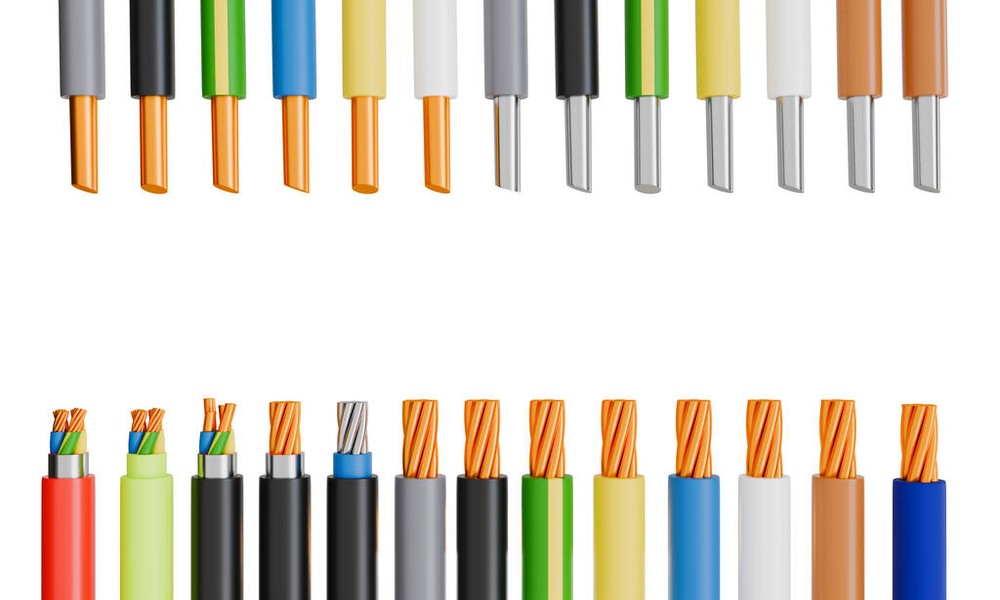
The dielectric constant of plastic is an important property in electrical engineering, electronics, telecommunications, and manufacturing. It measures a material’s ability to store electrical energy when exposed to an electric field. Because plastics are widely used as insulating materials in cables, circuit boards, electronic devices, and industrial components, understanding their dielectric properties is essential for product performance and reliability.
Different types of plastics have different dielectric constants, which influence how they behave in electrical and electronic applications. Engineers and manufacturers carefully select plastic materials based on these properties to ensure safety, efficiency, and signal performance in various systems.
What Is Dielectric Constant?
The permittivity of the material (also referred to as its dielectric constant or relative permittivity) is a measure of the ability to store electrical energy compared to a vacuum. The greater the dielectric constant, the more electric charge can be stored, and the less the electric charge is stored the lower it is.
The value of the dielectric constant is denoted by the symbol εr, which is called the relative permittivity of the material. The dielectric constant of a vacuum is equal to 1. And for most plastics it is in the range of approximately 2 to 5, depending on their chemical composition and structure.
The property is significant when plastics are employed in the vicinity of electrical fields, particularly as insulating materials, capacitors, wiring, and in high-frequency electronics.
Why Dielectric Constant Matters in Plastics
The electrical insulation and signal transmission properties of plastic are directly related to its dielectric constant. Plastics are used to isolate electrically conducting material and to prevent an electrical current from passing through where it is not wanted in a wide variety of electronic and electrical applications.
For high frequency communications, materials with low dielectric constants are commonly used as they help minimize signal loss and interference. It’s crucial in telecommunications, antennas, printed circuit boards and data transmission equipment.
In applications where an increased amount of electrical energy can be stored, a higher DC plastic can be used, e.g. specific capacitors or industrial machines.
The right choice of dielectric properties ensures product efficiency, durability and safety.
Common Plastics and Their Dielectric Constants
The electrical properties of various plastics vary and thus are appropriate for various applications.
Polyethylene (PE) is commonly used for cable insulation and is a relatively low relative permittivity, typically 2.25. Composed of low loss electrical material, it is useful in high frequency applications.
Polytetrafluoroethylene (PTFE), also called Teflon, is a high-quality heat-resistant insulating material with a dielectric constant of approximately 2.1 which is extremely useful in the aerospace, telecommunication, and microwave fields.
In general, the relative permittivity of PVC is higher, ranging from 3 to 4, depending on the additives and formulation. PVC is widely used as a material in wire insulation and in construction.
Other plastics with different dielectric properties include: polycarbonate, nylon, polypropylene, and epoxy-based plastics.
Factors That Affect Dielectric Constant
Plastic materials can have several factors affecting the dielectric constant.
One factor is temperature. Plastics can have a molecular behavior change with temperature which can impact their electrical properties.
The frequency is also very important. Some plastics have different properties when used at low frequencies than they do at high frequencies in the electrical signal. It is common for engineers to measure the dielectric constant at a particular frequency that is relevant to the application.
The dielectric property also can be affected by moisture absorption. Some plastics take up water more readily than others and water tends to raise values of the dielectric constant and electrical loss.
Other material composition, fillers and additives, and manufacturing processes can also alter the dielectric properties. Click this for reference.
Applications of Dielectric Plastics
There are various industries that utilize plastics with controlled dielectrics.
Electronics: Dielectric plastics are used in printed circuit boards, connectors, insulating films, capacitors and semiconductor packaging.
Low-dielectric plastics are used in telecommunications systems for wireless communication equipment, fiber optic components, coaxial cables and antennas.
The automotive and aerospace industries utilize dielectric plastics in electronic systems that demand heat resistance and durability and for lightweight electrical insulation.
Dielectric plastics also are used in medical devices such as sensors, diagnostic equipment and protective insulation components.
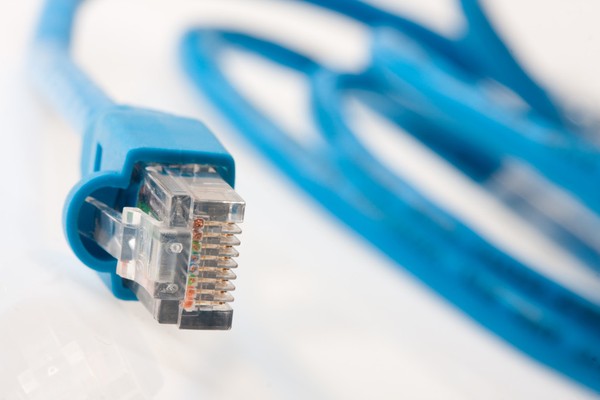
Importance of Material Selection
Selecting the proper plastic material is essential for an electrical and electronic system’s operation. The key properties that engineers have to take into account are dielectric constant plastic in addition to resistance to heat, mechanical force, chemicals, and flex.
Absolutely wrong material selection can result in signal loss, overheating, insulation failure or decrease the life of the product. Testing and quality control are crucial for ensuring that materials are up to industry standards and meet application requirements.
Conclusion
The dielectric constant of plastic is a key property that affects electrical insulation, signal transmission, and overall electronic performance. Different plastic materials offer different dielectric characteristics, making them suitable for a wide range of industrial, electronic, and communication applications.
By understanding dielectric properties and selecting appropriate materials, manufacturers and engineers can improve efficiency, safety, and reliability in modern electrical systems and technologies.
